


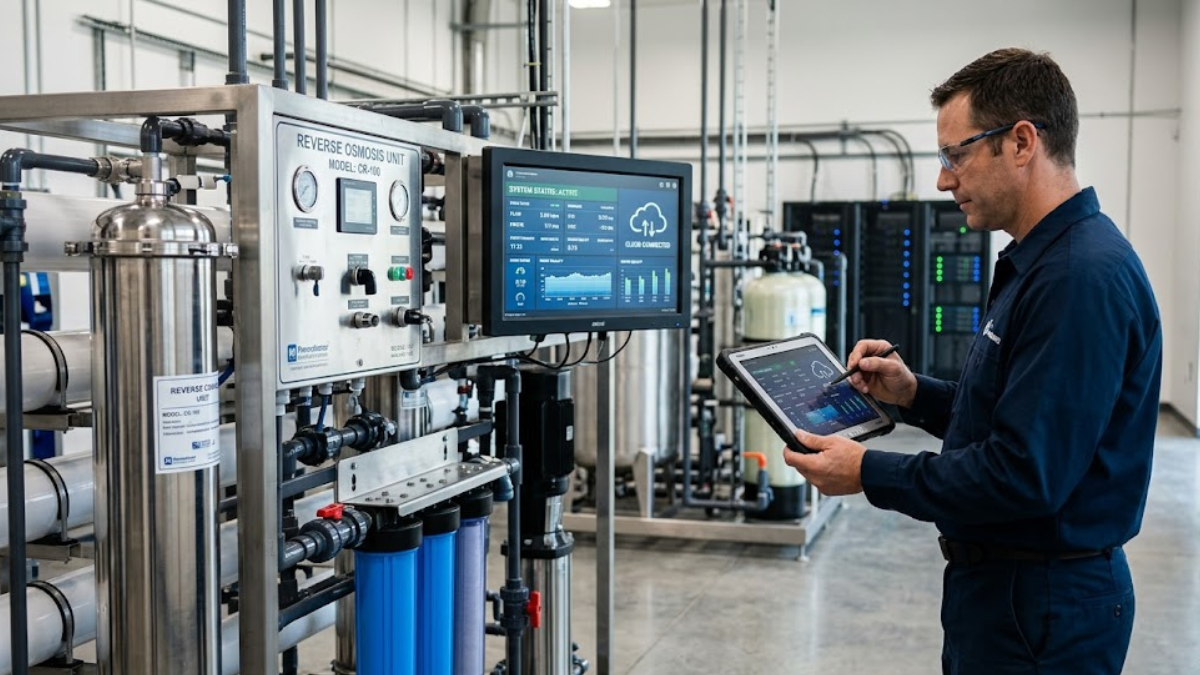
Clean and safe drinking water has become more important than ever in modern homes and workplaces. With rising concerns about water contamination, advanced filtration systems are gaining popularity. One of the most talked-about innovations today is cloud ro, a smart approach to water purification that combines technology, efficiency, and convenience.
Unlike traditional filtration systems, cloud-based purification brings monitoring, control, and performance tracking into one connected ecosystem. This makes it easier for users to ensure they always have access to high-quality water. In this guide, we will explore everything about cloud ro, how it works, its benefits, and why it is becoming a preferred choice globally.
What is Cloud RO Technology
Cloud ro is an advanced water purification system that integrates reverse osmosis technology with cloud-based monitoring and smart control features. It allows users to track water quality, filter life, and system performance through connected devices.
The idea behind cloud ro is simple yet powerful. It connects a traditional RO system to the internet, enabling real-time updates and remote management. This ensures better maintenance and improved water quality over time.
In simple terms, cloud ro is not just about filtering water. It is about making the entire purification process smarter, more transparent, and more user-friendly. Users can receive alerts, usage reports, and maintenance notifications directly on their mobile devices.
How Cloud RO Works
The working mechanism of cloud ro combines physical filtration with digital intelligence. Water passes through multiple filtration stages, including sediment filters, carbon filters, and reverse osmosis membranes, to remove impurities.
At the same time, sensors inside the system collect data about water quality, pressure levels, and filter condition. This data is sent to a cloud platform where it is analyzed in real time. The user can access this information through a mobile app or web dashboard.
One of the most important aspects of cloud ro is its ability to send alerts when maintenance is required. This prevents users from consuming low-quality water due to delayed filter replacement or system issues.
Key Features of Cloud RO Systems
One of the standout features of cloud ro is smart monitoring. Users can check water quality anytime without manually inspecting the system. This creates a more reliable and stress-free experience.
Another key feature is predictive maintenance. Instead of waiting for a problem to occur, the system analyzes usage patterns and predicts when filters or components need replacement.
Cloud ro systems also offer remote control options. This means users can turn the system on or off, monitor water consumption, and adjust settings directly from their smartphone, even when they are not at home.
Benefits of Cloud RO for Homes and Businesses
The biggest advantage of cloud ro is improved water safety. Since the system continuously monitors water quality, users can be confident about what they are drinking every day.
It also offers cost efficiency in the long run. By receiving timely alerts for filter changes and maintenance, users avoid unnecessary repairs and extend the lifespan of the system.
For businesses, cloud ro provides scalability and centralized monitoring. Multiple units can be managed from a single dashboard, making it ideal for offices, restaurants, and commercial spaces where water quality is critical.
Another major benefit is convenience. Users no longer need to guess when maintenance is required. Everything is automated and data-driven, making the entire process smooth and reliable.
Cloud RO vs Traditional RO Systems
To understand the difference better, here is a simple comparison:
| Feature | Cloud RO | Traditional RO |
|---|---|---|
| Water Quality Monitoring | Real-time cloud tracking | Manual checking |
| Maintenance Alerts | Automated notifications | User-dependent |
| Remote Access | Available via app | Not available |
| Data Tracking | Detailed usage reports | No data tracking |
| Efficiency | High due to smart controls | Moderate |
Traditional systems rely heavily on manual maintenance, while cloud ro introduces automation and intelligence. This makes it a more modern and efficient solution for today’s needs.
In addition, cloud ro systems reduce the chances of human error. Since everything is tracked digitally, users can ensure consistent water quality without guesswork.
Applications of Cloud RO Technology
The use of cloud ro is not limited to homes. It is widely used in offices, schools, hospitals, and hospitality businesses where clean water is essential.
In residential settings, it ensures families have safe drinking water at all times. In commercial environments, it helps maintain hygiene standards and regulatory compliance.
Many industries are also adopting cloud ro systems to improve operational efficiency. Since water quality directly impacts production and health standards, smart monitoring becomes extremely valuable.
Maintenance and Performance Tips
To get the best performance from a cloud ro system, regular attention to filter health is important. Even though the system provides alerts, users should still stay aware of usage patterns.
It is also recommended to keep the system connected to a stable internet connection. This ensures accurate data transmission and uninterrupted monitoring.
Proper installation and periodic servicing play a key role in maintaining long-term performance. A well-maintained cloud ro system can deliver consistent results for years without major issues.
Is Cloud RO Worth It?
For most users, the answer is yes. Cloud ro systems offer a combination of safety, convenience, and smart technology that traditional systems cannot match.
Although the initial investment may be slightly higher, the long-term benefits often outweigh the cost. Better water quality, reduced maintenance stress, and real-time monitoring make it a valuable upgrade.
As water safety becomes a growing concern, investing in smart purification technology is becoming less of a luxury and more of a necessity.
Cloud RO Installation Guide and Setup Process
Installing a cloud ro system is not very different from a standard RO unit, but it includes an additional smart setup layer. The physical installation involves connecting the filtration unit to your water source, drainage system, and electricity supply.
Once the physical setup is complete, the digital configuration begins. This is where cloud ro becomes unique. Users need to connect the system to Wi-Fi and sync it with a mobile application. This step enables remote monitoring and smart alerts.
After setup, the system begins collecting data immediately. Within a short time, cloud ro starts analyzing water quality, filter performance, and daily usage patterns. This ensures users get accurate insights from day one.
Common Problems and Troubleshooting in Cloud RO
Even advanced systems like cloud ro can sometimes face minor issues. One common problem is internet connectivity loss, which can temporarily stop cloud updates. However, filtration continues to work normally in most cases.
Another issue users may experience is delayed alerts. This usually happens when the system is not properly synced with the mobile app. Reconnecting the device often resolves this issue quickly.
In some cases, users may notice inaccurate readings. This is rare but can occur due to sensor calibration issues. Regular servicing ensures cloud ro continues to deliver precise and reliable data.
Cost Analysis of Cloud RO Systems
The cost of a cloud ro system is generally higher than traditional RO units due to its smart features and advanced sensors. However, the long-term savings make it a practical investment.
Below is a simple cost comparison:
| Category | Cloud RO | Traditional RO |
|---|---|---|
| Initial Cost | Higher | Lower |
| Maintenance Cost | Moderate (predictive) | Unpredictable |
| Filter Replacement Efficiency | Optimized | Manual timing |
| Long-term Savings | High | Low |
While traditional systems may seem cheaper initially, clou ro offers better value over time by reducing unnecessary maintenance and improving system lifespan.
Choosing the Right CloudRO System
When selecting a cloudro system, it is important to consider water quality in your area. Different systems are designed for different levels of contamination.
Another factor is storage capacity. Households with higher water consumption should choose larger capacity units to ensure uninterrupted supply.
It is also important to check app compatibility and cloud features. A good cloudro system should provide real-time alerts, usage reports, and easy navigation through its digital interface.
Environmental Impact of CloudRO Technology
One of the lesser-discussed benefits of clou ro is its positive environmental impact. By optimizing filter usage and reducing water wastage, it helps conserve resources.
Traditional systems often waste more water due to inefficient monitoring. In contrast, cloudro systems track performance and minimize unnecessary discharge.
This makes them a more sustainable option for environmentally conscious users. Over time, widespread adoption of clod ro can contribute to better water conservation practices globally.
Conclusion
Water purification technology has evolved significantly, and coud ro is at the center of this transformation. It brings intelligence, automation, and connectivity into a space that was once purely mechanical.
With real-time monitoring, predictive maintenance, and user-friendly control, cloud ro systems are reshaping how people think about clean water. They not only improve safety but also simplify everyday life.
As demand for smart home solutions continues to rise, clud ro is likely to become a standard choice for both residential and commercial water purification needs.
FAQ
What makes cloud-based RO systems different from regular filters?
Cloud-based systems use smart sensors and online connectivity to monitor water quality and system performance in real time, unlike traditional filters that require manual checks.
Can I control the system from my phone?
Yes, most modern smart purification systems allow remote access through mobile apps, enabling users to monitor and control functions easily.
Is installation complicated for cloud-connected purification units?
Installation is similar to traditional systems, but setup includes connecting the device to a network for smart features to work properly.
How often do filters need to be replaced?
Replacement depends on usage and water quality, but smart alerts help users know the exact timing for maintenance.
Are these systems suitable for commercial use?
Yes, they are widely used in offices, restaurants, and industries due to their ability to monitor multiple units efficiently.
Does smart monitoring improve water safety?
Yes, continuous tracking ensures that any issue in water quality or filtration performance is detected early, improving overall safety and reliability.
