


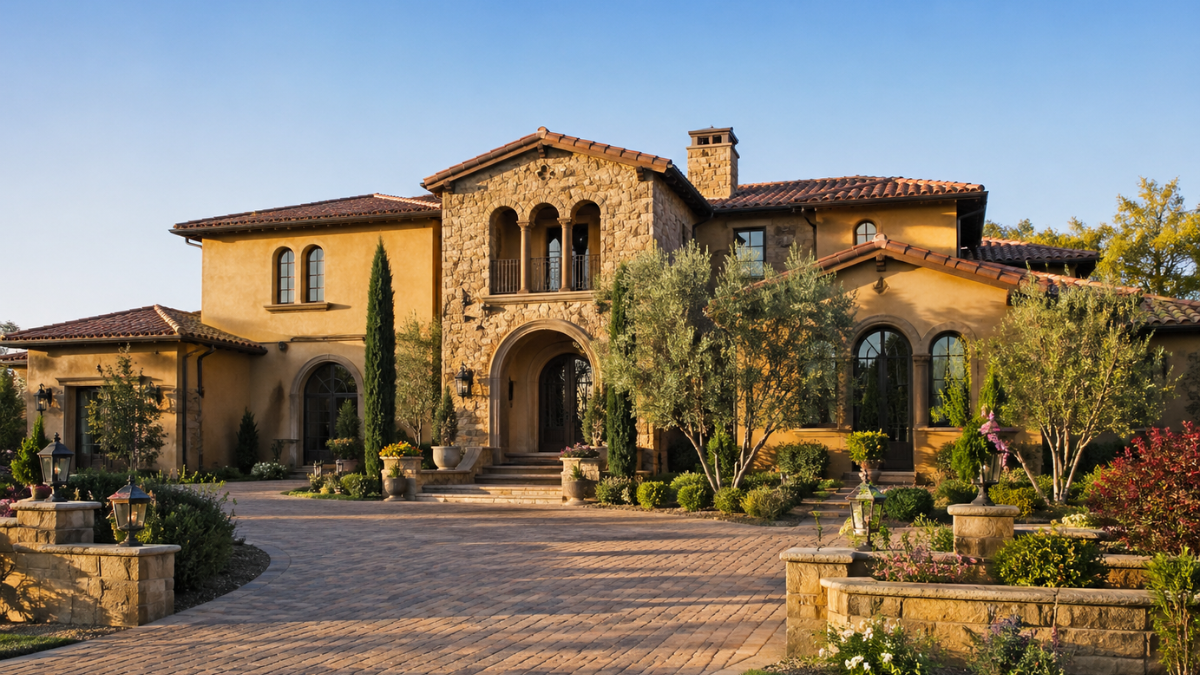
The 2000s Tuscan house style became one of the most recognizable home design trends of the early 21st century. Inspired by the rolling hills of Tuscany in Italy, it combined rustic European charm with modern American luxury. Warm colors, textured walls, and earthy materials defined this look in a way that felt both elegant and lived-in.
During the early 2000s, many homeowners embraced this aesthetic because it offered a cozy yet upscale atmosphere. The 2000s Tuscan house wasn’t just about architecture—it was a lifestyle statement that reflected comfort, tradition, and timeless beauty.
What is a 2000s Tuscan House Style
The 2000s Tuscan house style is a design trend that draws inspiration from Italian countryside villas. It focuses on warmth, texture, and natural materials that create a welcoming and grounded environment. This style became especially popular in suburban luxury homes across the United States.
At its core, the 2000s Tuscan house aesthetic blends rustic charm with Mediterranean elegance. Think stone accents, warm beige walls, and dark wood beams that create a sense of old-world sophistication while still feeling modern enough for everyday living.
Origins and Rise in Early 2000s
The rise of the 2000s Tuscan house style can be traced back to travel inspiration and home design media of the late 1990s and early 2000s. Homeowners were heavily influenced by Italian architecture seen in magazines, movies, and luxury resorts.
As a result, the 2000s Tuscan house became a symbol of wealth and taste. Builders began incorporating Tuscan-inspired elements into new developments, especially in warmer regions where stucco and terracotta fit naturally with the climate.
Key Architectural Features
A typical 2000s Tuscan house includes distinct architectural elements that make it instantly recognizable. Stucco exteriors, low-pitched roofs, and arched doorways are some of the defining characteristics. These features were designed to mimic traditional Italian villas.
Inside a 2000s Tuscan house, you often find high ceilings with exposed wooden beams and open floor plans. These elements create a spacious yet cozy feeling, blending rustic charm with modern functionality.
Interior Design Elements
The interior of a 2000s Tuscan house is all about warmth and texture. Walls often feature faux finishes or textured plaster to mimic aged stone. Earthy tones like terracotta, olive green, and golden beige dominate the palette.
A 2000s Tuscan house interior also emphasizes natural light and layered décor. Heavy drapes, wrought iron fixtures, and decorative tiles are commonly used to enhance the old-world atmosphere while maintaining comfort.
Materials and Color Palette
Materials play a huge role in defining the 2000s Tuscan house style. Natural stone, marble, and reclaimed wood are commonly used throughout both interiors and exteriors. These materials help create an authentic rustic feel.
The color palette of a 2000s Tuscan house is warm and earthy. Shades of brown, cream, burnt orange, and deep gold are used to evoke the feeling of a sun-soaked Italian countryside home.
| Feature | Description |
|---|---|
| Exterior Walls | Stucco with warm earthy tones |
| Roofing | Clay or terracotta tiles |
| Flooring | Natural stone or wood |
| Ceiling | Exposed wooden beams |
| Accents | Wrought iron, mosaic tiles |
This combination of materials gives the 2000s Tuscan house its signature timeless appeal.
Furniture and Decor Choices
Furniture in a 2000s Tuscan house is typically heavy, rustic, and made from dark wood. Pieces often feature carved details and distressed finishes to enhance the aged aesthetic.
Decor in a 2000s Tuscan house includes ceramic vases, wrought iron chandeliers, and large area rugs. The goal is to create a lived-in luxury that feels both elegant and comfortable at the same time.
“A Tuscan-inspired home is not just built, it is crafted to feel like it has a story behind every wall.”
This philosophy is what makes the 2000s Tuscan house style so emotionally appealing to homeowners.
Why it Became Popular
The popularity of the 2000s Tuscan house style came from its ability to combine luxury with comfort. People wanted homes that felt grand but still welcoming, and this design delivered exactly that.
Another reason the 2000s Tuscan house gained traction was its adaptability. It worked well in large suburban homes and could be customized to fit different budgets, making it accessible to a wide audience.
Modern Interpretation and Revival
In recent years, the 2000s Tuscan house style has seen a revival, though with a more refined and minimal approach. Modern designers are simplifying the heavy textures while keeping the warm color palette intact.
Today’s 2000s Tuscan house influences can be seen in modern Mediterranean homes, where clean lines are combined with rustic elements for a more updated look.
Common Mistakes in Tuscan Design
One common mistake in recreating a 2000s Tuscan house is overloading the space with too many heavy textures. While richness is key, balance is essential to avoid making interiors feel outdated.
Another issue is mismatching modern furniture with traditional Tuscan elements. A true 2000s Tuscan house design requires harmony between materials, colors, and architectural details.
Outdoor Living Spaces in Tuscan-Inspired Homes
Outdoor areas play a huge role in this design philosophy. Homes influenced by this style often treat patios and gardens as extensions of indoor living. The goal is to create a seamless flow between interior comfort and outdoor beauty.
Stone pathways, pergolas, and warm lighting are commonly used to enhance the outdoor experience. These spaces often feel like private courtyards inspired by Italian villas, designed for relaxation and social gatherings.
Water features such as small fountains are also common. They add a calming soundscape that enhances the overall atmosphere and brings a touch of authenticity to the environment.
Kitchen Design and Culinary Atmosphere
Kitchens inspired by this aesthetic are often warm, rustic, and highly functional. They usually feature large central islands made of stone or granite, serving as both a cooking and gathering space.
Cabinetry is typically crafted from dark or distressed wood, giving the kitchen a grounded and timeless feel. Open shelving is also popular, allowing decorative ceramics and cookware to become part of the visual design.
Lighting plays an important role as well. Pendant lights with wrought iron or antique finishes help maintain the old-world charm while still providing modern functionality.
Bathroom Aesthetics and Spa-Like Feel
Bathrooms in this design style are often designed to feel like personal spa retreats. Natural stone is heavily used for flooring, countertops, and even shower walls to maintain a cohesive look.
Large soaking tubs are a common feature, often positioned near windows or accent lighting to enhance relaxation. The use of warm tones ensures that even smaller bathrooms feel inviting and luxurious.
Decorative mirrors with ornate frames and bronze fixtures complete the look, reinforcing the balance between rustic charm and refined elegance.
Modern Updates and Evolving Design Trends
Over time, homeowners and designers have refined this classic aesthetic to better suit modern lifestyles. Heavy textures and overly ornate details are now often softened or simplified.
Clean lines are being introduced while still preserving warm tones and natural materials. This updated approach creates a more balanced and breathable interior environment.
Energy-efficient lighting, open-concept layouts, and minimalist décor choices are also becoming more common while still respecting the original inspiration.
Real Estate Value and Market Appeal
Homes built in this style often hold strong appeal in the real estate market due to their timeless character. Buyers are drawn to the warmth and personality that these homes naturally offer.
Even in competitive housing markets, properties with this design influence can stand out because they feel unique compared to modern minimalist builds. This uniqueness often translates into higher perceived value.
However, maintenance costs can be higher due to the use of natural materials like stone and wood, which require proper care over time.
How to Recreate This Style Today
Recreating this look in a modern home doesn’t require a full renovation. Small design choices can bring the essence into any space. Warm paint colors, textured walls, and wood accents are great starting points.
Adding natural materials such as stone décor, ceramic accessories, and iron fixtures can instantly shift the atmosphere toward a more rustic and elegant feel.
Layering is also important. Rugs, curtains, and furniture should work together to create depth rather than minimal emptiness. The key is balance between comfort and authenticity.
Design Comparison Table
| Element | Traditional Approach | Modern Adaptation |
|---|---|---|
| Walls | Heavy textured plaster | Light textured or smooth warm paint |
| Furniture | Dark carved wood | Simplified rustic wood designs |
| Lighting | Ornate iron chandeliers | Minimal iron or mixed-material lighting |
| Layout | Separate rooms | Open-concept flow |
| Decor | Dense and detailed | Minimal but warm accents |
This comparison shows how the style has evolved while still keeping its original identity intact.
Lifestyle Influence and Emotional Appeal
Beyond design, this aesthetic represents a lifestyle rooted in comfort, warmth, and connection. Homes built in this way often encourage slower living and more intentional use of space.
People are naturally drawn to environments that feel grounded and welcoming. That emotional connection is one of the strongest reasons this design continues to remain relevant.
It creates a sense of escape from fast-paced modern living, offering instead a cozy and timeless environment.
Conclusion
The 2000s Tuscan house remains one of the most iconic home design styles of the early 2000s. Its blend of rustic Italian charm and luxurious comfort created a timeless aesthetic that still influences homes today.
Even though trends have evolved, the 2000s Tuscan house continues to inspire designers who appreciate warm, inviting, and character-filled spaces. Its legacy lives on in modern interpretations that keep the essence alive while adapting to contemporary tastes.
Frequently Asked Questions
What defines a 2000s Tuscan house style?
A 2000s Tuscan house is defined by warm earthy tones, stucco exteriors, stone materials, and rustic Italian-inspired design elements that create a cozy yet luxurious feel.
Why was the 2000s Tuscan house so popular?
The 2000s Tuscan house became popular because it offered a perfect mix of elegance and comfort, appealing to homeowners who wanted a luxurious but welcoming space.
What colors are used in a 2000sTuscan house?
Typical colors include warm beige, terracotta, olive green, golden yellow, and deep browns, all designed to reflect natural Mediterranean landscapes.
Is the Tuscan style still popular today?
While less dominant than in the early 2000s, the 2000sTuscan house influence still appears in modern Mediterranean and rustic luxury home designs.
What materials are common in Tuscan homes?
Stone, wood, stucco, and terracotta are the primary materials used, helping create the authentic rustic charm associated with the 2000s Tuscan house style.
